No products in the cart.


Wine estate
Domaine des Comtes Lafon
Introduction
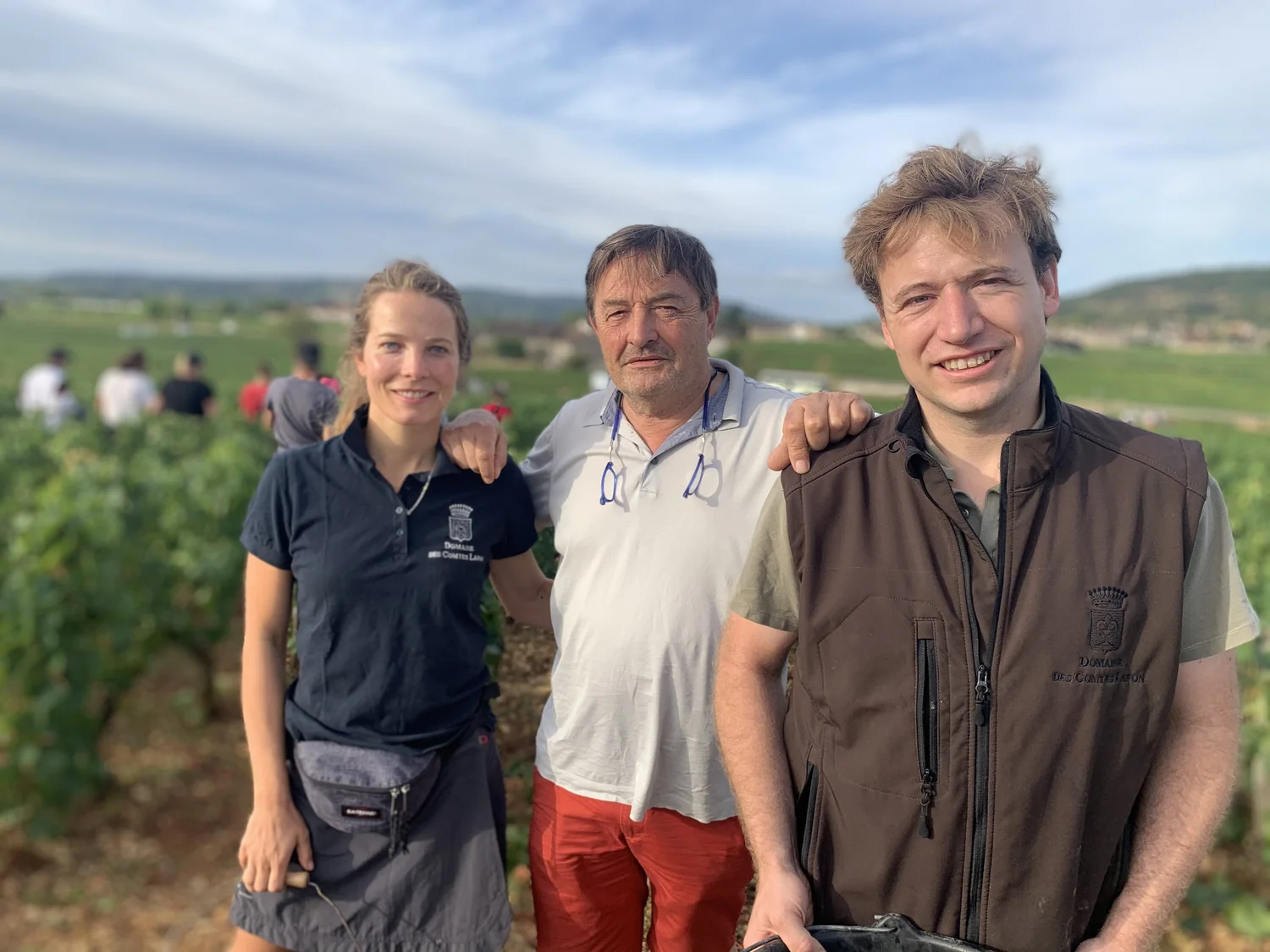
At Domaine Comtes Lafon, the terroir of each individual plot is central, both in the vineyard and in the cellar. The domaine follows a minimal-intervention approach, aiming to create wines with pronounced tension, minerality, and ageing potential.
Biodynamics
In 1992, synthetic products were banned, followed by the introduction of organic farming in 1995 and the full transition to biodynamic methods three years later. The vineyards are worked with cover crops, manual weeding, and ploughing to promote healthy soils and biodiversity. All harvesting is done by hand, allowing the grapes to be carefully selected. The average age of the vines is 40 years, and yields are deliberately kept low, at around 35 hl/ha.
Vinification
In the cellar, vinification is adapted to each plot in order to preserve the characteristics of each terroir as fully as possible. White wines are gently pressed with a pneumatic press. This process is slow and careful, lasting three to four hours. This is followed by 12 to 24 hours of settling at low temperature, 10–12°C, in stainless steel or concrete tanks, after which the juice is transferred by gravity into French oak barrels for fermentation with indigenous yeasts. This phase lasts three to six weeks, depending on the cuvée.
The fermentation temperature is closely monitored to ensure the gradual development of freshness and complexity. Malolactic fermentation occurs spontaneously, contributing to a smooth texture without compromising the characteristic acidity of the appellation. The wines are aged for 18–22 months sur lie, with very limited bâtonnage, in order to preserve their natural tension and minerality. No fining is carried out and, in keeping with the minimal-intervention approach, the wines are not filtered.
Red grapes are usually destemmed to balance the tannins, although depending on the vintage, 10–30% whole clusters may be added. Maceration takes place in temperature-controlled tanks. Fermentation occurs naturally with indigenous yeasts in stainless steel or wooden vats at 25–28°C, followed by 16–20 months of ageing in 228-litre French oak barrels, 20–30% of which are new. This step gives structure to the wine while preserving its unique terroir character, tension, and vibrancy.
Oak ageing
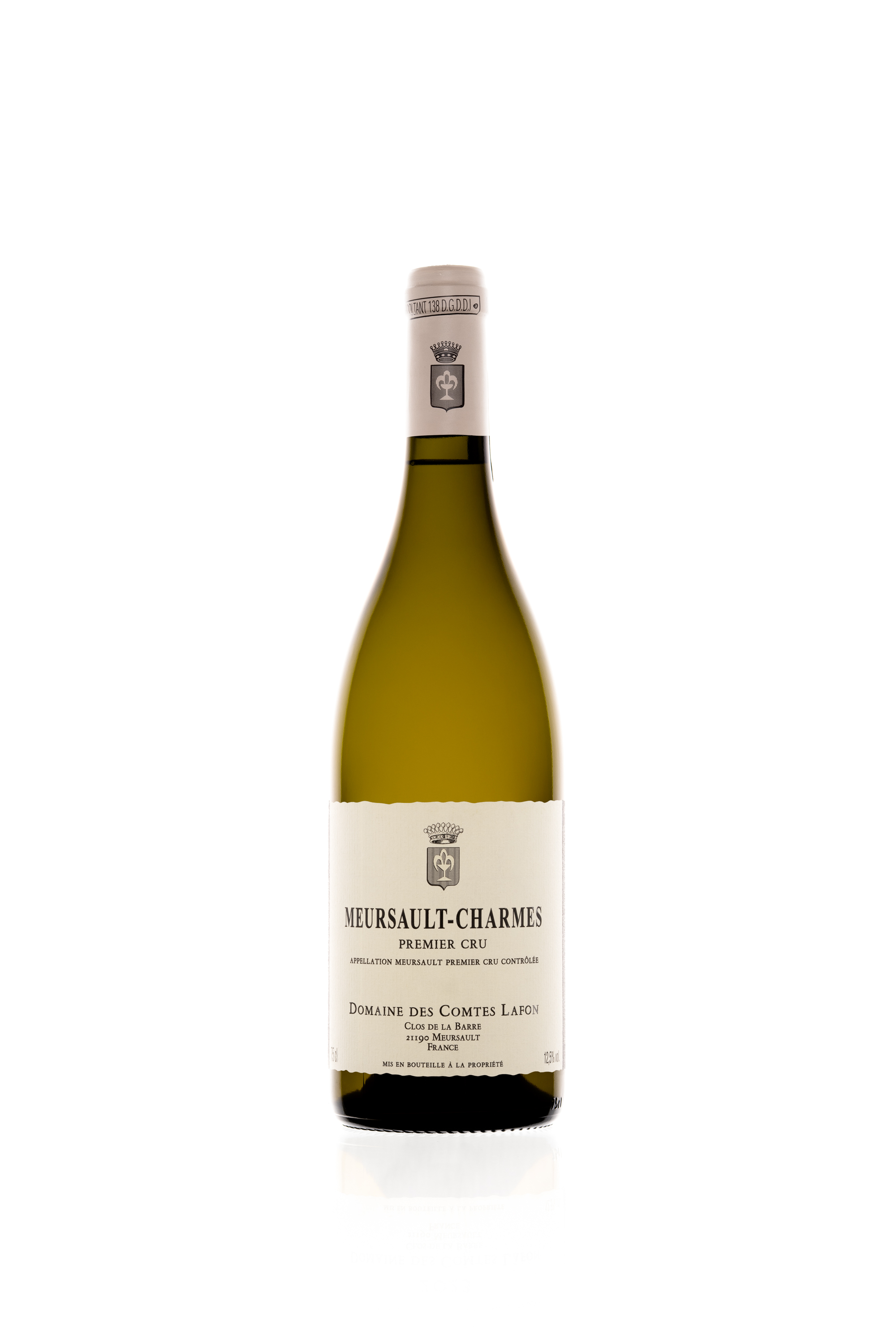
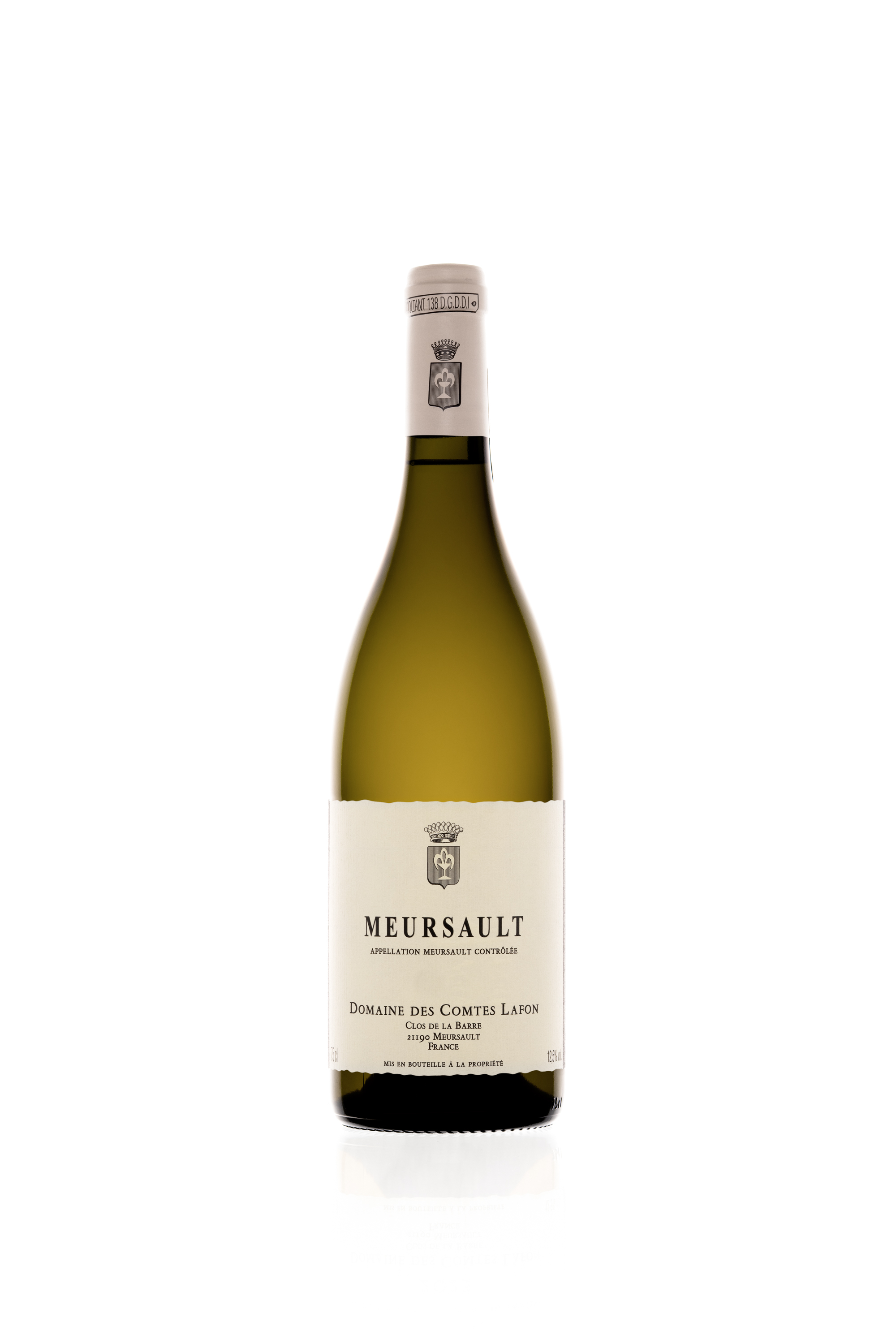
New oak is used carefully: village wines receive no new oak, most Meursault Premier Crus receive 15–30%, and selected cuvées 40–50%. Montrachet is the only wine aged entirely in new oak. The domaine works with coopers such as François Frères, Chassin, and Saury for their fine-grained oak with medium toast, which adds structure and spice without overpowering the fruit.
Due to the limited availability of these wines, please contact us if you would like to be included on the list for an allocation.